Modern electronic systems are increasingly complex, often requiring multiple printed circuit boards (PCBs) to work in harmony within compact enclosures. Mezzanine PCB designs have emerged as an elegant solution to this challenge, allowing engineers to stack boards vertically and create sophisticated multi-layer systems.
At the heart of these designs lies a critical component that determines success or failure: the connector. Understanding the role of connectors in mezzanine PCB design is essential for creating reliable, manufacturable, and cost-effective electronic products.
Understanding mezzanine architecture and connector fundamentals
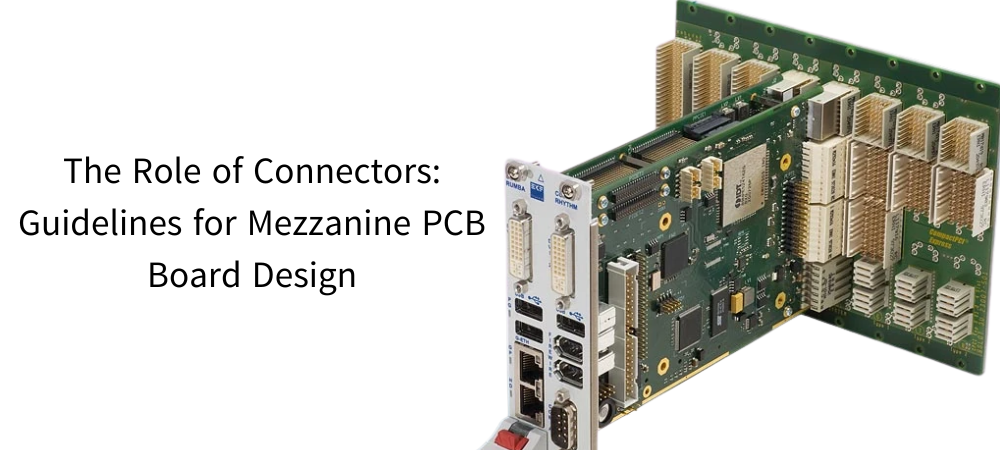
Mezzanine PCB designs differ from traditional single-board solutions, embracing a modular approach where a primary motherboard hosts one or more daughter cards through specialized connectors. These connectors serve as the critical interface, transmitting power, ground, and signals between boards while maintaining mechanical stability. The term "mezzanine" itself, borrowed from architecture, perfectly captures the concept of an intermediate level that bridges different functional areas.
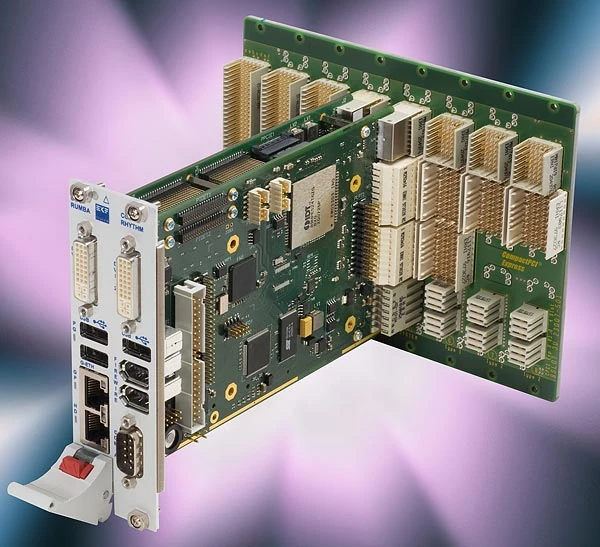
Figure 1: Example of mezzanine PCBs connected to a backplane PCB (Source: EKF Electronic Gmbh)
The connector selection process begins with understanding the fundamental requirements of your specific application. High-speed digital signals demand connectors with controlled impedance characteristics and minimal crosstalk, while power-hungry applications require connectors capable of handling substantial current loads without excessive voltage drop.
The physical constraints of your enclosure will dictate connector height profiles, and the expected operational environment will influence material selection and contact plating requirements. Successfully balancing these competing demands requires a systematic approach to connector evaluation and selection.
Signal integrity considerations in connector design
Signal integrity represents one of the most critical aspects of mezzanine connector selection, particularly as data rates continue to climb in modern electronic systems. High-frequency signals are particularly susceptible to degradation as they pass through connector interfaces, making careful consideration of electrical characteristics paramount.
Impedance discontinuities at connector junctions can cause reflections that corrupt data integrity, while inadequate shielding between adjacent pins can introduce crosstalk that compounds system-level noise margins.
Modern mezzanine connectors address these challenges through sophisticated design features including controlled impedance contacts, integrated ground planes, and differential pair routing capabilities. When evaluating connectors for high-speed applications, designers must examine insertion loss characteristics across the frequency spectrum of interest, ensuring that signal attenuation remains within acceptable limits.
Return loss measurements provide insight into impedance matching quality, while near-end and far-end crosstalk specifications help predict inter-channel interference levels. The connector's physical design, including contact geometry and dielectric materials, directly impacts these electrical parameters and must be carefully matched to your signal requirements.
Mechanical design and structural considerations
The mechanical aspects of mezzanine connector design extend far beyond simple electrical connectivity, encompassing structural support, thermal management, and long-term reliability under operational stresses.
Mezzanine boards create inherent mechanical challenges due to their cantilevered mounting configuration, where the connector must support not only the weight of the daughter board but also resist forces generated during handling, shipping, and operation. This mechanical loading can induce stress concentrations at solder joints and connector interfaces, potentially leading to fatigue failures over time.
Proper connector selection must account for the mechanical properties of both the connector body and the interface materials. Glass transition temperatures of plastic components determine operational temperature limits, while contact normal forces affect both insertion requirements and long-term connection reliability.
The connector's mounting method, whether through-hole or surface mount, significantly impacts mechanical strength and should be chosen based on expected stress levels and available PCB real estate.
Additionally, the coefficient of thermal expansion mismatch between different materials in the connector assembly can generate significant stresses during temperature cycling, making material compatibility a crucial design consideration.
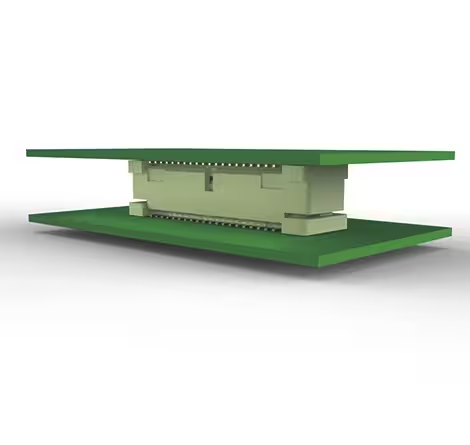
Figure 2: Stacking connectors offer a flexible solution for mezzanine connections (Source: TE Connectivity)
Power distribution and thermal management
Effective power distribution through mezzanine connectors requires careful attention to both electrical and thermal design principles. Power delivery networks must maintain low impedance paths from source to load while minimizing voltage drops that could impact system performance.
This challenge becomes particularly acute in high-current applications where even small resistance increases can result in significant power dissipation and corresponding thermal issues. The number and size of power and ground pins must be carefully calculated based on current requirements, allowable voltage drop, and thermal constraints.
Thermal management in mezzanine connector systems presents unique challenges due to the compact nature of stacked board configurations. Heat generated within the connector from I²R losses must be efficiently conducted away to prevent temperature rise that could degrade contact reliability or damage surrounding components. Some advanced connector designs incorporate thermal interface materials or heat spreading features to enhance thermal performance.
The thermal design must also consider the impact of connector placement on overall system airflow patterns, ensuring that critical components receive adequate cooling despite the presence of the mezzanine structure.
Types of mezzanine connectors
The diversity of applications and design requirements has led to the development of several types of mezzanine connectors, each with unique characteristics and advantages. High-speed mezzanine connectors (Figure 3) are optimized for data-intensive applications, offering controlled impedance, advanced shielding, and low insertion loss to support data rates exceeding 32 Gb/s.
Stacking pin header and socket connectors, on the other hand, provide a straightforward and cost-effective solution for general-purpose stacking and modular systems, with a variety of heights and pitches available.
Micro mezzanine connectors address the needs of ultra-compact devices, featuring pitches as fine as 0.4 mm and low profiles to fit within the tightest spaces. Backplane mezzanine connectors are designed for robust, high-density connections in systems with central backplanes, such as industrial control or communication equipment.
Floating connectors introduce a degree of mechanical flexibility, accommodating minor misalignments and reducing stress in environments subject to vibration or movement. Finally, flexible printed circuit (FPC) and flexible flat cable (FFC) mezzanine connectors are used when one or both boards are flexible, enabling dynamic bending and movement in applications like robotics and foldable devices.
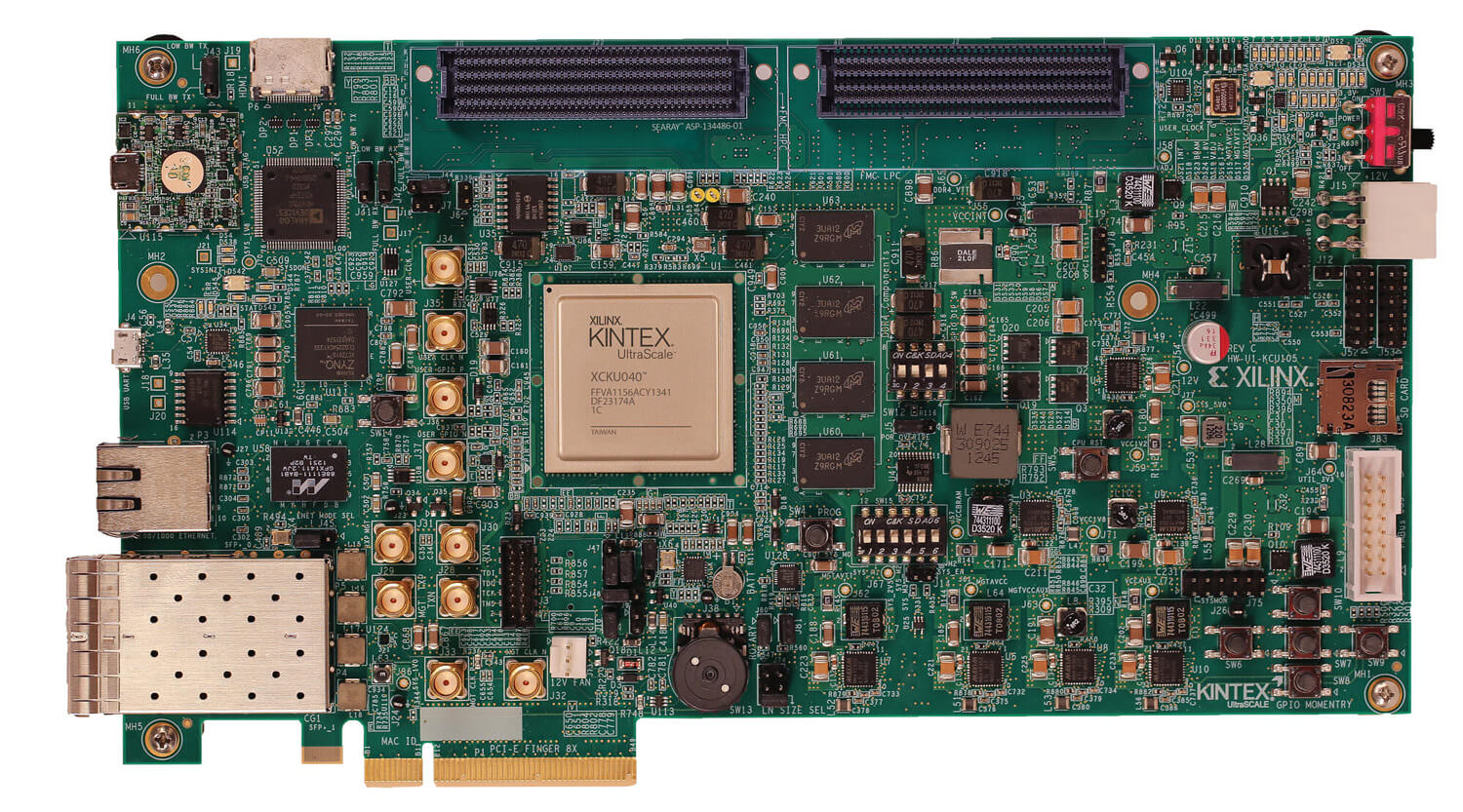
Figure 3: An AMD/Xilinx Kintex Ultrascale board with two VITA™ 57.1 FMC™ (FPGA Mezzanine Card) connectors. These high-speed array connectors come in low pin count (LPC) and high pin count (HPC) variants (Source: Samtec)
Layout guidelines: placement, orientation, and footprint design
The layout of mezzanine connectors is not a trivial task. Placement and orientation influence not only signal routing but also manufacturability. Aligning connectors in a way that minimizes trace length between critical components can drastically improve performance, particularly for high-speed buses. However, this must be balanced with the need to accommodate manufacturing tolerances. Misalignment between the mezzanine and the base board can lead to mechanical stress and premature connector wear.
The footprint design should follow manufacturer recommendations closely, particularly with respect to pad dimensions, solder mask clearances, and stencil apertures. High-density connectors with hundreds of pins demand careful pad design to prevent solder bridging or voiding. In many cases, non-solder mask defined (NSMD) pads are preferred for fine-pitch connectors, as they provide better solder joint reliability. Additionally, ensuring correct orientation through clear silkscreen markings and keyed connector choices reduces the risk of assembly errors.
Manufacturing and assembly guidelines
The transition from design concept to manufactured product introduces practical considerations that can significantly impact the success of mezzanine PCB implementations. Connector alignment tolerances become critical when dealing with high pin count devices, as even small misalignments can result in bent pins or incomplete connections during assembly. The manufacturing process must account for PCB fabrication tolerances, component placement accuracy, and the cumulative effects of these variations on final connector alignment.
Assembly processes for mezzanine systems require careful sequencing and specialized fixtures to ensure proper alignment and connection. The order of board installation can impact accessibility for inspection and rework operations, making assembly sequence planning an important design consideration. Automated assembly processes may require specific connector features such as lead-in chamfers or self-aligning designs to ensure reliable high-volume production. Additionally, the inspection and testing of completed mezzanine assemblies presents unique challenges, as many connector interfaces become inaccessible once boards are mated, necessitating comprehensive electrical testing strategies.
Common pitfalls and how to avoid them
Several recurring issues plague mezzanine connector design, many of which can be mitigated with foresight. One of the most common mistakes is underestimating insertion and removal forces. If connectors are too stiff, they can damage the PCB during handling. Another frequent pitfall lies in neglecting signal return paths; without adequate ground pins distributed across the connector, differential pairs may lose integrity. Misalignment between mezzanine boards also often results in failed assembly or cracked solder joints.
To avoid these issues, designers should conduct mechanical tolerance analyses, simulate connector footprints in 3D CAD models, and verify electrical performance through signal integrity simulations. Early collaboration with connector vendors often reveals hidden constraints and provides guidance on optimal part selection.
Future trends and design evolution
The landscape of mezzanine connector technology continues to evolve in response to ever-increasing performance demands and miniaturization requirements. High-speed serial interfaces are driving the development of connectors optimized for differential signaling with enhanced crosstalk performance and reduced insertion loss. Meanwhile, the push toward higher power density systems is spurring innovations in connector current-carrying capacity and thermal management features.
Emerging technologies such as high-bandwidth memory interfaces and advanced processor interconnects are establishing new benchmarks for connector electrical performance, requiring careful attention to signal integrity parameters that were previously of secondary concern. The integration of optical interconnects into traditional electrical connector systems represents another frontier, potentially offering solutions to the bandwidth limitations of purely electrical interfaces. As system designers continue to push the boundaries of what's possible in compact electronic designs, the role of connectors in mezzanine PCB systems will only grow in importance and complexity.
The success of any mezzanine PCB design ultimately depends on the careful selection and implementation of appropriate connector technology. By understanding the multifaceted role that connectors play in these systems and following established design guidelines, engineers can create robust, high-performance products that meet the demanding requirements of modern electronic applications while maintaining manufacturability and cost-effectiveness.
26.01.2026
and get your PCBA quote within the next 10 minutes!